Hosting first presidential debate influenced me to join politics - Joel Ssenyonyi
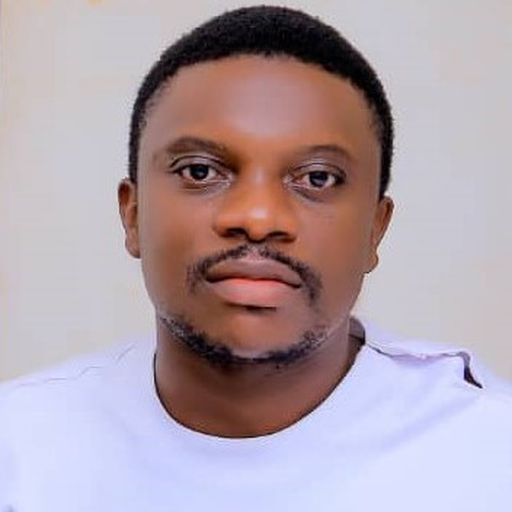

Leader of the Opposition Joel Ssenyonyi has revealed that hosting Uganda's first presidential debate in 2016 helped shape his decision to leave journalism and join politics after he questioned the quality of some of the candidates seeking to lead the country.
Ssenyonyi, a former NTV Uganda news anchor, said the historic debate gave him an opportunity to assess presidential candidates beyond their public appearances and political campaigns.
He recalled serving as master of ceremonies alongside Rev Canon Diana Mirembe Nkesiga during the event, which took place at Kampala Serena Hotel on January 15, 2016, and a subsequent one on 13th February 2016.
"Hosting Uganda's first Presidential Debate was one of the things that drove me into joining politics," Ssenyonyi said.
He described the preparations as tense, particularly because President Yoweri Museveni was reluctant to attend despite efforts by the organisers to bring all candidates together.
"If you recall, it was a tense event; the President (Yoweri Museveni) did not want to come and there were a lot of back and forth engagements under a lot of pressure," he recalled.
Museveni, who was seeking another five-year term, skipped the first debate, leaving his opponents to discuss governance, corruption, economic development and public services without him.
The event was organised by the Inter-Religious Council of Uganda and The Elders Forum, with support from development partners. Journalists Alan Kasujja and Nancy Kacungira moderated the discussions.
Ssenyonyi said watching the candidates respond to questions made him realise that some lacked the qualities he expected of national leaders.
"During that event I got to see deeper into our leaders and their quality. I could see that this one is a very lousy politician, this one is a good politician; I could see that there were some candidates on that stage that I could surely outperform myself," he said.
Ssenyonyi said covering the subsequent election also exposed him to the demands of political reporting.
He recalled spending long nights at NTV as journalists worked to deliver election results to viewers.
"Then we got to the election, and we had to put in what we called the graveyard shift. You had people glued to their TVs waiting for results until we delivered them at 2am or 3am in the morning," he said.
He described the experience as tiring but exciting.
Another turning point came in July 2018, when the government introduced the Over-The-Top (OTT) tax, which required Ugandans to pay Shs 200 daily to access social media platforms.
The tax, which took effect on July 1, 2018, sparked protests from activists, journalists and opposition politicians who argued that it increased the cost of communication and restricted access to information.
Ssenyonyi joined a demonstration against the tax alongside then Kyadondo East MP Robert Kyagulanyi Ssentamu, fellow journalist Raymond Mujuni and other activists.
Police disrupted the protest in Kampala on July 11, 2018, and detained some participants.
Ssenyonyi said his decision to participate placed him at odds with his supervisors at NTV, who were uncomfortable with a journalist joining a public demonstration.
He maintained that the issue affected every Ugandan, regardless of political affiliation.
"Often there is a time where you put your foot down and want to do something about certain things," he said.
"That OTT I felt was not politics. It was economics because it affected everybody. But my bosses were uncomfortable with me taking part in the protest."
Ssenyonyi said he refused to abandon his position, even if doing so threatened his television career.
"I told them that this is how I felt and that my views were not going to change, even if it meant being put off air," he said.
"In the end, I, together with some fellow journalists, political leaders and civil society found a way of coming together and agreed to hold that protest."
The demonstration also brought Ssenyonyi closer to Kyagulanyi's emerging People Power movement, which later became a major opposition force.
In May 2019, Ssenyonyi resigned from NTV after a 13-year career in journalism, which began at Uganda Broadcasting Corporation (UBC) in 2006.
Days after leaving television, Kyagulanyi unveiled him as spokesperson for the People Power movement during a press conference in Kamwokya, Kampala.
He later became spokesperson for the National Unity Platform (NUP), the political party that emerged as the main opposition challenger ahead of the 2021 general election.
Ssenyonyi won the Nakawa West parliamentary seat in 2021, defeating former Kampala Woman MP Margaret Zziwa of the National Resistance Movement.
He went on to chair Parliament's Committee on Commissions, Statutory Authorities and State Enterprises (COSASE), which oversees public institutions and investigates the use of government resources.
In December 2023, NUP appointed him Leader of the Opposition, replacing Mathias Mpuuga. He assumed the position in January 2024.


