Emmanuel Kirunda elected Uganda Journalists Association president after rival withdraws
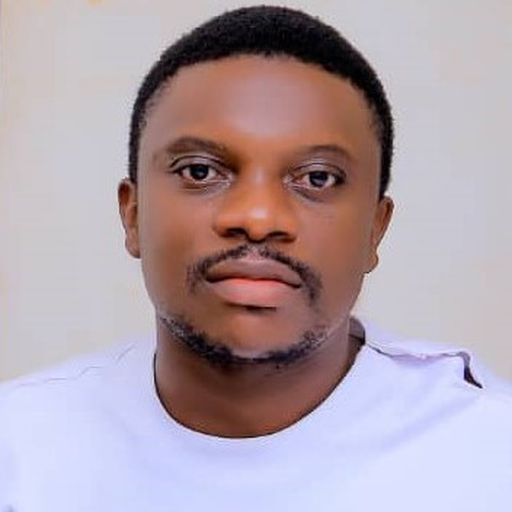

New Vision journalist Emmanuel Kirunda has been elected president of the Uganda Journalists Association (UJA) following the withdrawal of his main challenger, Jay Rizik Kalungi Agonzibwa, from the race.
Kirunda, who previously served as UJA Secretary General, succeeds Mathias Rukundo after the association held its leadership elections on Saturday, November 7, 2026.
The elections took place during UJA's Annual General Assembly at its offices in Keti Falawo, Kawempe, under the supervision of lawyer Gilbert Mbonye, who served as the returning officer.
Kirunda's victory came after a brief meeting between the two presidential candidates, during which Kalungi agreed to step aside.
Kalungi, a journalist with Vision Group, was subsequently named Vice President, filling a position that had remained vacant during the electoral process.
Before the decision, both candidates had presented their manifestos, setting out different approaches to improving the association's operations and addressing challenges facing journalists in Uganda.
Kirunda centred his campaign on strengthening UJA's structures, defending press freedom, improving journalists' welfare and promoting professional growth.
He outlined seven priorities, including institutional reforms, better working conditions, stronger partnerships and increased protection for journalists facing threats while carrying out their duties.
Kirunda argued that the association needed a fresh approach to leadership to remain relevant and effectively represent media practitioners.
He also pointed to his record of defending journalists whose rights had been violated.
Among the cases he cited was a 2022 court petition challenging the beating of journalists at the United Nations offices in Kololo.
Kirunda said he participated in legal proceedings against the Attorney General and eight military officers over the incident.
He described the court's decision declaring attacks on journalists carrying out their professional responsibilities unconstitutional as a significant step towards protecting press freedom.
He also referred to his role in securing the release of journalist Remmy Asiteza, who had spent more than two months in detention.
Kirunda pledged to continue supporting journalists subjected to arrests, intimidation, unlawful detention and other forms of harassment.
He further argued that protecting press freedom should include addressing the economic challenges facing journalists, particularly poor pay and unfavourable working conditions.
Other proposals included helping journalists strengthen their presence on digital platforms, improving professional standards and building stronger relationships with development partners.
Kirunda also promised to expand the World Press Freedom Day Media Football Sports Gala to different regions of Uganda.
He said the initiative would encourage interaction among journalists from different media organisations and strengthen unity within the profession.
His rival, Kalungi, placed greater emphasis on financial stability, medical support, education and inclusiveness.
She proposed establishing a Savings and Credit Cooperative Organisation (SACCO) through which journalists could access affordable loans and improve their financial security.
Kalungi argued that media practitioners needed reliable financial support systems similar to those available to professionals in other industries.
She also proposed creating an emergency medical assistance programme to support journalists who struggle to meet treatment costs.
Her manifesto included plans to secure scholarships for female journalists and introduce mentorship opportunities for young people entering the media industry.

Kalungi also called for greater unity within UJA, expressing concern about divisions among members.
She argued that the association should prioritise the collective interests of journalists instead of allowing internal disagreements to undermine its work.
The contest took a different direction shortly after the manifesto presentations.
Mbonye invited Kirunda and Kalungi to hold private discussions for about five minutes to determine how the leadership contest would proceed.
The two candidates left the assembly with their campaign agents and held consultations inside the association's offices.
When they returned, Mbonye informed members that Kalungi had withdrawn her candidature, leaving Kirunda as the sole presidential candidate.
Kalungi was then declared Vice President.
The assembly also elected Ronald Kabuye as Secretary General, Issa Kigongo as Treasurer, Tadeo Damba as Organising Secretary and Rachael Namuli Nakabugo as Secretary for Production.
Daniel Mukisa secured the position of Secretary for External Relations, while Hakim Mubiru was elected Secretary for Health and Social Welfare.
For regional representation, Ismail Bategeka was elected to represent Western Uganda, Ivan Keziron Wakibi took the Eastern Uganda position, and Joseph Omagor was elected representative for Northern Uganda.
The new leadership takes office as the association faces continued demands to strengthen journalists' welfare, defend media freedom and improve professional standards across Uganda.


