Gracious Kadondi Biography: From Kamwokya to Makerere’s top student seat
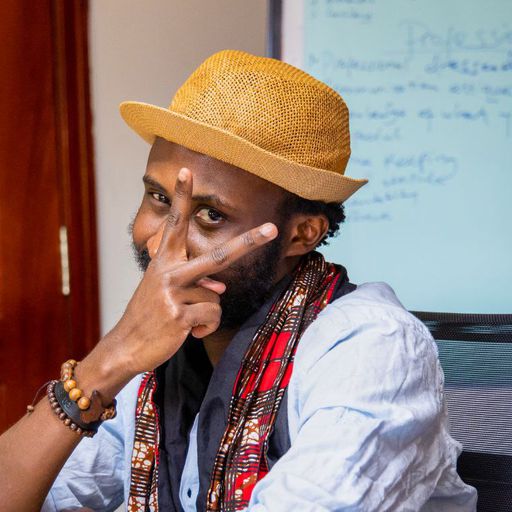

Before Gracious Kadondi won Makerere University’s guild presidency, she built her leadership record closer to the lecture room, representing classmates and fellow health sciences students.
Her rise carried her from Mulimira Zone in Kamwokya, Kampala, to the leadership of Uganda’s oldest university’s students’ guild. On April 9, 2026, she won the presidency on the National Unity Platform (NUP) ticket, beating 12 other candidates.
Kadondi grew up in Mulimira Zone and attended several primary schools before joining Kitante Hill School for her secondary education. She entered Makerere in 2024 to pursue a Bachelor of Optometry at the College of Health Sciences, according to a profile published by Matooke Republic.
Alongside her studies, she took on student leadership roles. She served as a class representative, information minister for the Optometry Students’ Association and female guild representative for the School of Health Sciences. She also participated in the Makerere Wezuule Initiative at college level. These roles preceded her campaign for the university’s highest student office.
Her first electoral hurdle was within NUP. In the party’s guild presidential primaries, Kadondi secured 580 votes. Her closest challengers, Mike Mujuzi and Daniel Nyaika, received 286 and 261 votes respectively. The result gave her the party flag for the wider university contest.)
The final race pitted her against a crowded field that included former Miss Uganda Hannah Karema. Kadondi won 6,801 votes against Karema’s 5,787, a margin of 1,014 votes. She became Makerere’s 92nd guild president, succeeding Churchill James Ssentamu.
Her campaign combined student welfare demands with calls to change how Makerere conducts guild elections. Despite winning through electronic voting, Kadondi advocated a return to physical campaigns and voting. She also called for clearer safeguards that would allow candidates and voters to verify results.
Once elected, she urged students to reunite after the campaign. She pledged to work with former rivals and draw on their ideas. She also proposed expanding access to campus jobs through the students’ work scheme, arguing that more students needed opportunities to earn money and gain experience.
Tuition soon put those welfare promises to the test. In an April 21, 2026 letter, Kadondi asked university management to waive the five per cent surcharge on outstanding tuition and ease late registration restrictions.
She cited financial hardship among students and their sponsors. She also sought permission for students who had paid 60 per cent of their tuition to sit examinations. These were requests to management, rather than confirmed policy changes.
Her public advocacy has also covered student safety. At a recent girls’ empowerment event, Kadondi called for boys to participate in efforts to prevent sexual harassment.
“You cannot set a standard against sexual harassment without educating the boy child,” she said, arguing that protecting girls also requires educating boys.
Now, her presidency also involves enforcing discipline within her cabinet. In the statement dated November 1, 2026, Kadondi suspended culture minister Edward Mutebi for 29 days pending investigations. The letter cited standards of conduct but did not disclose the specific allegations.
For the optometry student from Kamwokya, the task now extends beyond winning votes: she must negotiate students’ demands with management while answering for the decisions of her own administration.


