How Asan Kasingye lost hundreds of millions in failed lorry business
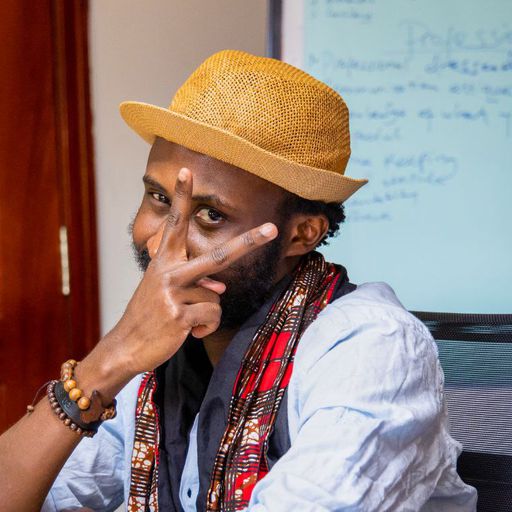

Retired Assistant Inspector General of Police Asan Kasingye has narrated how a transport business he built from three lorries into a fleet of about 20 trucks collapsed, leaving him with no vehicles and an empty business bank account.
Kasingye, who served in the Uganda Police Force for more than three decades, said the business suffered losses worth hundreds of millions of shillings through alleged driver dishonesty, accidents, costly repairs, taxes and the effects of the Covid-19 pandemic.
In a post on X, the former police spokesperson recalled how he entered the transport industry in 2005 after leaving the taxi business.
His journey began with three lorries, which he acquired from a friend of a friend through an instalment arrangement based on trust and his reputation.
The business grew over the years. By 2020, Kasingye had built a fleet of about 20 trucks transporting construction materials across Uganda.
However, what had taken him 15 years to build began falling apart.
By 2022, he had lost the entire fleet and closed the business after 17 years of operation.
"17 years later in 2022, I wound the business. No money on the business account and no lorry in the parking space," Kasingye wrote.
He blamed the collapse on a series of challenges, many of which he said arose from the people he had entrusted with his vehicles.
According to Kasingye, the Covid-19 pandemic dealt his business a major blow. Although the government allowed trucks carrying construction materials to operate during lockdowns, he struggled to supervise his fleet.
He said some drivers took advantage of his absence and secretly hired out the vehicles to cement factories while claiming the trucks were parked.
Others used the lorries to transport heavy stone boulders over long distances from Karamoja, causing extensive damage.
The losses were devastating. Kasingye said some vehicles that could have fetched Shs 150 million before the damage became worth just Shs 10 million within two years.
That represented a potential loss of Shs 140 million on a single truck.
He also accused some drivers of removing good tyres and replacing them with worn-out ones, forcing him to spend more money on replacements.
A lorry with 10 tyres, he explained, could require two or three sets of replacements in one year instead of tyres lasting at least seven months.
In another incident, Kasingye woke up to a photograph showing one of his trucks lodged in someone's house after its brakes failed.
He said the accident shocked him because he had paid for new brakes only a week earlier.
To his surprise, he learnt that someone other than his authorised driver had been operating the vehicle.
Fortunately, nobody sustained injuries.
Kasingye also recalled how drivers would report mechanical problems, only for him to discover that expensive vehicle parts had gone missing.
In one case, a driver claimed a lorry had broken down on the road. The following day, Kasingye learnt that its starter system, valued at Shs 5 million, had allegedly been stolen while the vehicle was parked.
The former police boss further accused drivers of stealing construction materials during deliveries.
He said some would secretly remove part of a sand consignment, keep it for themselves and later use his vehicles to transport their own sand for profit.
Meanwhile, they would tell him that the lorries had remained parked because of illness or mechanical problems.
Kasingye also alleged that some drivers colluded with people posing as or working with environmental enforcement officers to demand money from him.
He said he sometimes received calls claiming that the National Environment Management Authority (NEMA) had found his trucks operating in protected wetlands.
The callers would demand a Shs 2 million fine or a Shs 500,000 bribe, which he alleged was shared among those involved.
Beyond these incidents, Kasingye said repair bills became another major financial burden.
He struggled to establish whether mechanics had identified genuine faults or inflated the cost of spare parts.
Taxes also consumed much of what remained of his earnings.
He complained that the Uganda Revenue Authority assessed taxes even during periods when his vehicles were off the road for repairs.
Accidents brought further expenses, with Kasingye recounting compensation payments for damaged homes, vehicles, animals and other property.
He also criticised the rapid depreciation of commercial trucks, claiming that a vehicle bought for Shs 200 million could lose Shs 100 million in resale value after just a week of operation.
While his account points to substantial financial losses, Kasingye did not disclose the exact amount he invested in the business or his total losses over the 17 years.
Kasingye retired from the Uganda Police Force in 2022 after serving in several senior positions, including police spokesperson, Interpol director and Chief Political Commissar.
Despite the painful experience, he said he shared his story not to frighten aspiring transport business owners but to help them avoid the mistakes and challenges that destroyed his investment.
"My post is not meant to discourage you, but to give you background information so that you mitigate against these before you venture into this business," he wrote.


